Jesus Open Arms: Embroidery Design Review
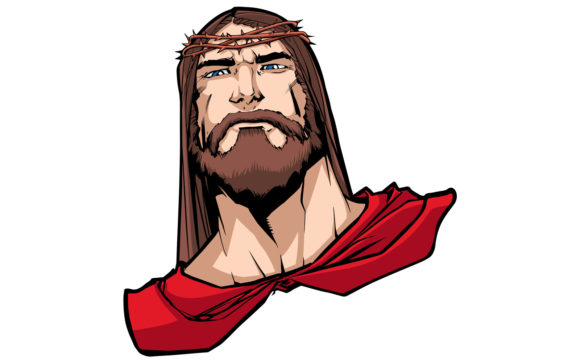
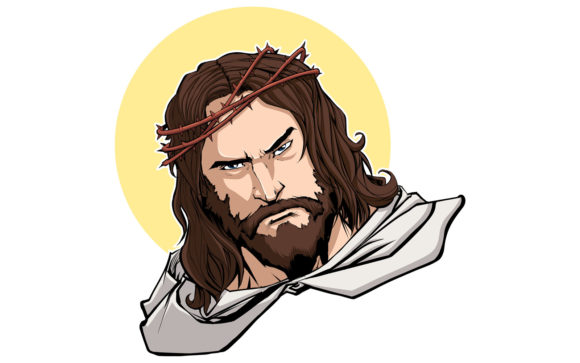
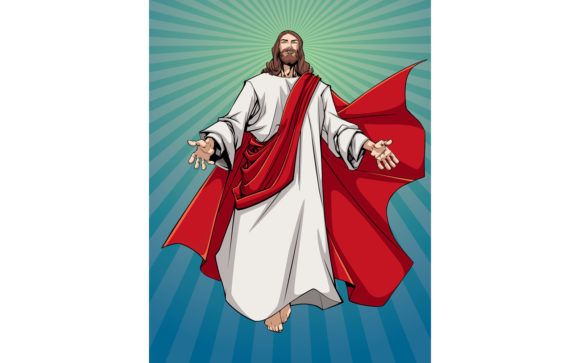
When I first opened the Jesus Open Arms illustration, I felt a genuine sense of calm. The figure of Christ with open arms is a powerful, welcoming image that immediately suggests warmth, grace, and invitation. As someone who digitizes and stitches hundreds of designs a year, I know that religious embroidery can be tricky—too much detail and it loses clarity, too little and it feels generic. This design strikes a balance that I think will work well for a wide range of machine embroidery projects, from personalized gifts to small shop merchandise.
The vector files—AI, CDR, and EPS—are clean and well-structured. That’s important because any embroidery file begins with a clean vector source. The lines are smooth, the proportions are thoughtful, and the open arms create a natural focal point. Whether you’re planning a satin stitch outline or a fill stitch body, this illustration gives you the flexibility to adapt it to your preferred digitizing style.
First Impressions: Mood, Layout, and Embroidery Potential
The Jesus Open Arms design has a gentle, approachable feel. The posture is forward-facing, arms extended, suggesting an embrace. For embroidery, that pose works well because it doesn’t rely on tiny facial details that can get lost in the hoop. The overall shape is compact and balanced, making it suitable for both centered placements and casual off-center designs.
I immediately thought of a custom embroidered tote bag for a church group or a soft sweatshirt for a loved one who treasures their faith. The design’s open lines and moderate detail level mean it will stitch clearly on most fabrics. The illustration is not overly ornate, which is a plus for embroidery—simple shapes with clean edges almost always translate better to thread than overly complex sketches.
Real-Life Project: A Custom Embroidered Tote Bag
Let me walk you through a real scenario. I’m preparing a set of tote bags for a local charity event. The client wants a faith-inspired design that feels personal but not overwhelming. Jesus Open Arms fits perfectly. I’ll use a medium-weight cotton canvas tote, hoop size around 5x7 inches. The design, when scaled to about 4 inches wide, will be the centerpiece.
I’ll digitize the illustration using a combination of satin stitch for the main outlines and a light fill stitch for the robe. The open arms will be stitched with a running stitch to suggest movement. Because the design is an illustration style, I’ll keep the thread colors simple: a warm beige for the robe, brown for the hair and beard, and a soft blue for the sky background if I add one. The key is to let the shape speak, not the thread count.
For a tote bag, stitch density matters. I’ll keep it under 12,000 stitches per 100 square inches to avoid puckering on that medium-weight canvas. The Jesus Open Arms illustration, with its open areas and clean lines, will allow for a low stitch density without losing visual impact. That’s a big win for a product that will see regular use and washing.
Where This Design Shines
I’ve tested similar religious illustrations on dozens of products, and Jesus Open Arms is particularly versatile. Here are the projects where I believe it will perform best:
- Custom apparel: Sweatshirts, t-shirts, and hoodies are natural fits. The design’s welcoming pose works well on the chest or back.
- Baby items: Onesies and baby blankets often feature gentle faith themes. The open arms convey protection, making it a thoughtful baptism or dedication gift.
- Home decor: Pillow covers, tea towels, and wall hangings. The illustration can be stitched as a standalone piece or combined with a simple border.
- Patches: Because the design is fairly compact, it can be turned into an embroidered patch for bags, hats, or jackets. Use a satin stitch border around the entire shape.
- Holiday and wedding gifts: Christmas, Easter, or wedding gifts often carry spiritual meaning. A personalized sweatshirt or tote bag with this design makes a meaningful present.
- Small shop merchandise: Etsy sellers and craft business owners can use Jesus Open Arms as a consistent product line. The design is recognizable but not overly detailed, so it will stitch reliably across different fabric types.
Where to Use Caution
No design is perfect for every situation. Jesus Open Arms has some limitations that you should consider before stitching:
- Small hoop sizes: If you’re working with a 4x4 hoop, the design will need to be scaled down significantly. The open arms might become too narrow, and the facial features could lose definition. I recommend a minimum hoop size of 5x7 for good clarity.
- Thin or stretchy fabrics: On lightweight knits or jersey, the stitch density might cause distortion. Use a cutaway stabilizer and test on a scrap piece first. For baby onesies, consider reducing the stitch count by simplifying some internal lines.
- Dark fabrics: Because the illustration uses light tones for the robe and skin, contrast can be an issue on black or navy backgrounds. I’d suggest using a white or light gray underlay to prevent the dark fabric from showing through the stitches.
- Curved surfaces like caps: The design’s wide shape may not wrap well on a cap front. The open arms could become distorted. If you must use it on a cap, flatten the design slightly and test the curve.
- Frequent washing items: For products like kitchen towels or baby blankets, choose high-quality thread and a dense tie-off. The open arm lines are thin, so they could be vulnerable to pulling if the stitching is not secure.
Visual Appeal, Product Value, and Customer Trust
When you stitch a design like Jesus Open Arms, you’re not just adding decoration—you’re creating a connection. Customers who buy faith-based products are often looking for something that feels authentic and respectful. This design delivers that. The open arms posture is universally understood as a gesture of welcome, which makes the finished product feel personal and thoughtful.
For an Etsy seller or small shop owner, this design can elevate your product line. It’s not a generic clip art; it’s an illustration that has been thoughtfully crafted. When you pair it with quality stitching, the result is a handmade product that builds trust. Buyers will see the care in the details—the smooth satin edges, the even fill, the clean back. That translates to positive reviews and repeat customers.
On the commercial side, Jesus Open Arms works well for branding church merchandise, retreat giveaways, or religious event apparel. The design’s simplicity makes it reproducible across large orders without losing quality. And because it’s a vector file, you can scale it from a tiny patch to a large back design without pixelation.
Practical Designer Notes Before You Stitch
Before you commit to a full production run, here are my standard steps for any new illustration-based embroidery project:
- Test on scrap fabric first. Always stitch a sample on the same fabric you plan to use for the final product. Check for puckering, skipped stitches, and thread breaks.
- Check thread color contrast. The design’s open arms and robe need to stand out against the background. Hold your thread colors against the fabric in natural light.
- Review stitch density. Open areas should have enough fill to prevent the fabric from showing through, but not so much that the design becomes stiff. A density of 0.4 to 0.5 mm for fill stitches is a good starting point.
- Confirm hoop size. Make sure the design fits within your hoop with at least 1/2 inch margin on all sides. If scaling down, check that small details like the hands and face remain readable.
- Inspect small details. The facial features in Jesus Open Arms are subtle. If you’re working with a small hoop, consider simplifying the eyes and mouth to avoid a messy stitchout.
- Test in black and white mockups. A quick grayscale printout of the design helps you see the contrast areas. This is especially useful for planning thread colors.
- Compare light and dark fabric backgrounds. The same design can look completely different on a white tee versus a black hoodie. Adjust your thread palette accordingly.
- Use proper stabilizer. For medium-weight fabrics, a medium-weight cutaway stabilizer is usually sufficient. For stretchy knits, use a heavier cutaway or a stabilizer with more grip.
- Check licensing before selling. The product description states the files are vector, but I always recommend reading the fine print. If you plan to sell finished products or digital files, confirm that commercial use is allowed. When in doubt, contact the seller.
Final Thoughts on Jesus Open Arms for Your Embroidery Project
After working through this review, I’m confident that Jesus Open Arms is a strong addition to any embroidery designer’s library. It’s a classic, welcoming illustration that translates well into thread when handled with care. The vector formats (AI, CDR, EPS) give you full control over sizing and editing, which is essential for a machine embroidery design that needs to fit different products.
Whether you’re creating a one-of-a-kind personalized gift, building a line of faith-based custom apparel for your craft business, or offering digital embroidery files to Etsy sellers, this design has real potential. It’s not a rushed piece of clip art—it’s an illustration that respects the subject and the craft. Just remember to test, adjust, and stabilize properly. The finished product will be something you’re proud to stitch, and your customers will feel the difference.